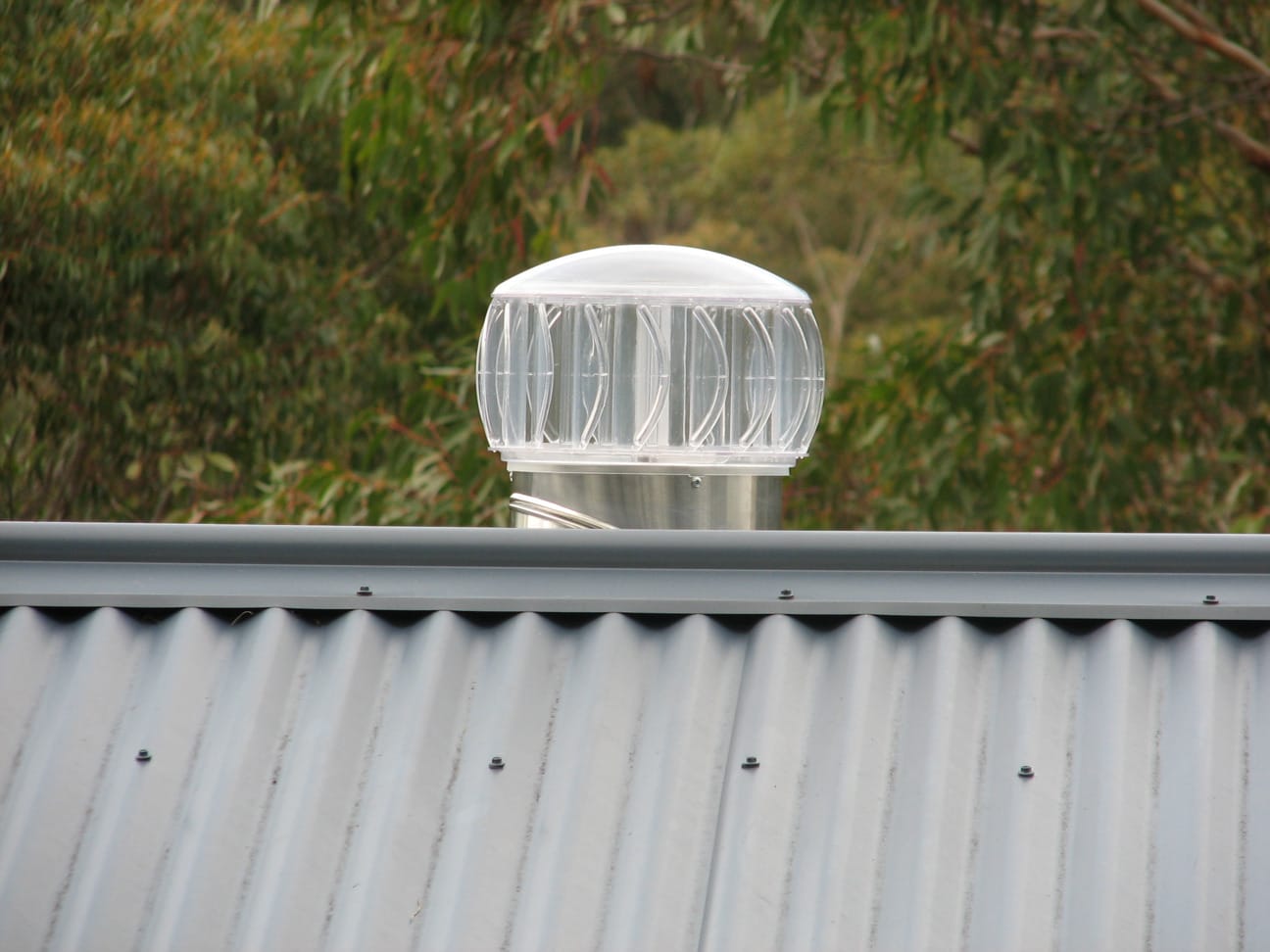
The New Zealand sun is powerful and well known for rapidly heating everything in its path. Your roof space is no exception; without ventilation, hot and humid air becomes trapped and creates an uncomfortable home environment.
Thankfully, roof ventilation is a cost effective, simple way to efficiently regulate your home's temperature. Roof vents are an important part of a healthy home and complete roofing system. Read on to discover why they're important, their benefits, how they work, the different types of roof vents, and how they should be installed.
Why is roof ventilation important?
Roof ventilation helps create a comfortable, healthy, and energy-efficient home. Vents provide many key benefits, such as:
Help prevent condensation and mould-related damage Condensation and moisture built-up is a destructive force, causing rot and encouraging mould and mildew growth. In turn, air quality suffers, triggering asthma and allergy-related illnesses.
Roof ventilation helps to expel humid, moist air that leads to condensation and mould, protecting the integrity of your home and creating a healthier home environment. Extends the life of your roof.
Adequate roof ventilation helps extend the life of your roof, making it a cost-effective way to add value and durability to your roofing system. A well-ventilated roof cavity allows hot and humid air to escape, minimising the risk of condensation, rot, and mould.
Reduces energy costs. A well-ventilated home allows heat to escape your roof space and replaces it with ambient, outdoor air. Inside your home, this reduces the load on your air conditioning, minimising your energy bills and creating an energy-efficient home.
Helps reduce heat during hot summers, heat builds up in your roof space. Without ventilation, these temperatures can reach troubling extremes of 70°C. Bradford Ventilation solutions remove this heat, replacing it with fresh outdoor air to help reduce heat and humidity for a more comfortable home.

Loading component...
Loading component...
How far apart should roof vents be?
Generally, a roof needs one vent every 90 square metres.
As well as this, you should allow four eave vents per roof vent to allow sufficient air circulation (air exhausted by the vents will be replaced by fresh air outside).
Loading component...
Loading component...
What roof vents are available
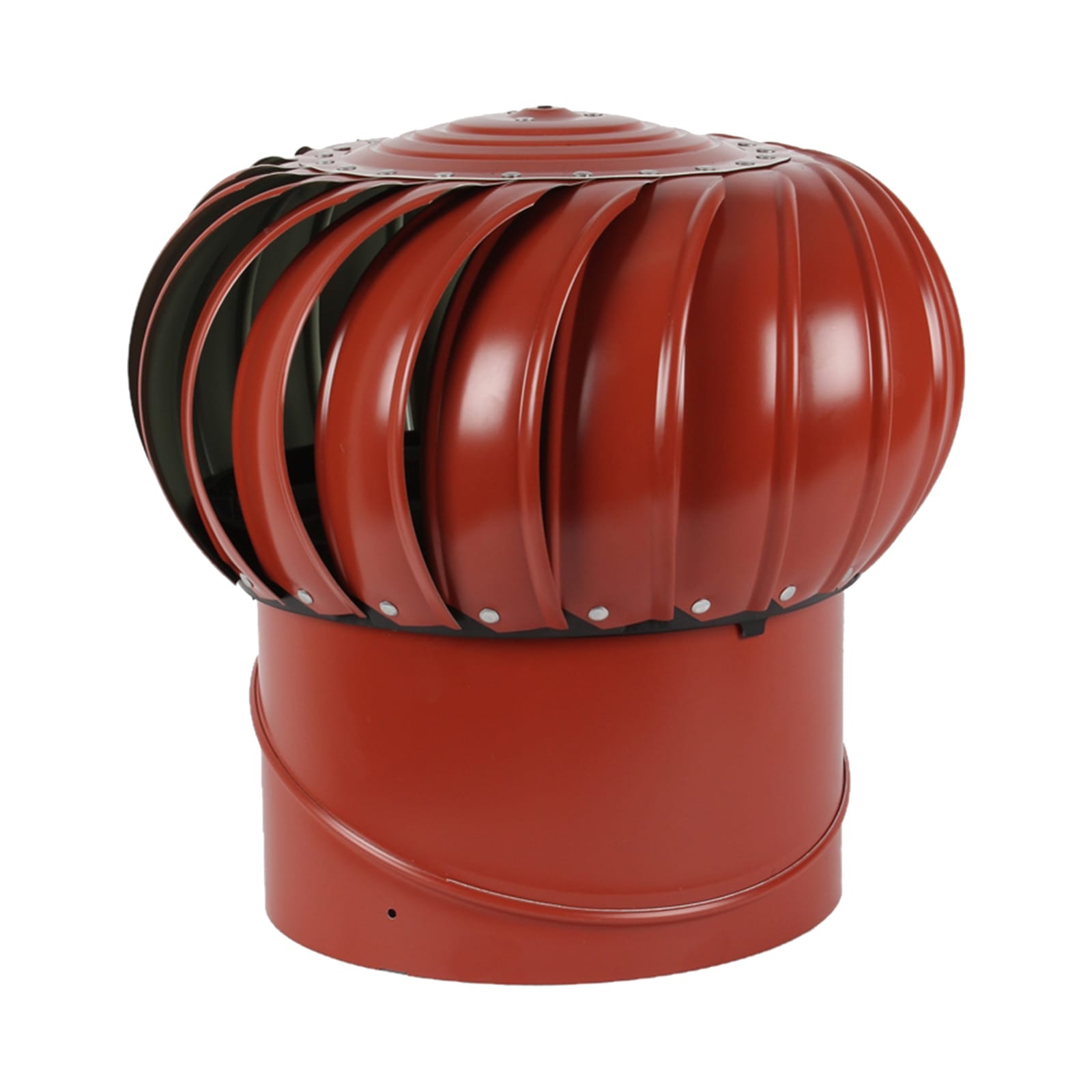
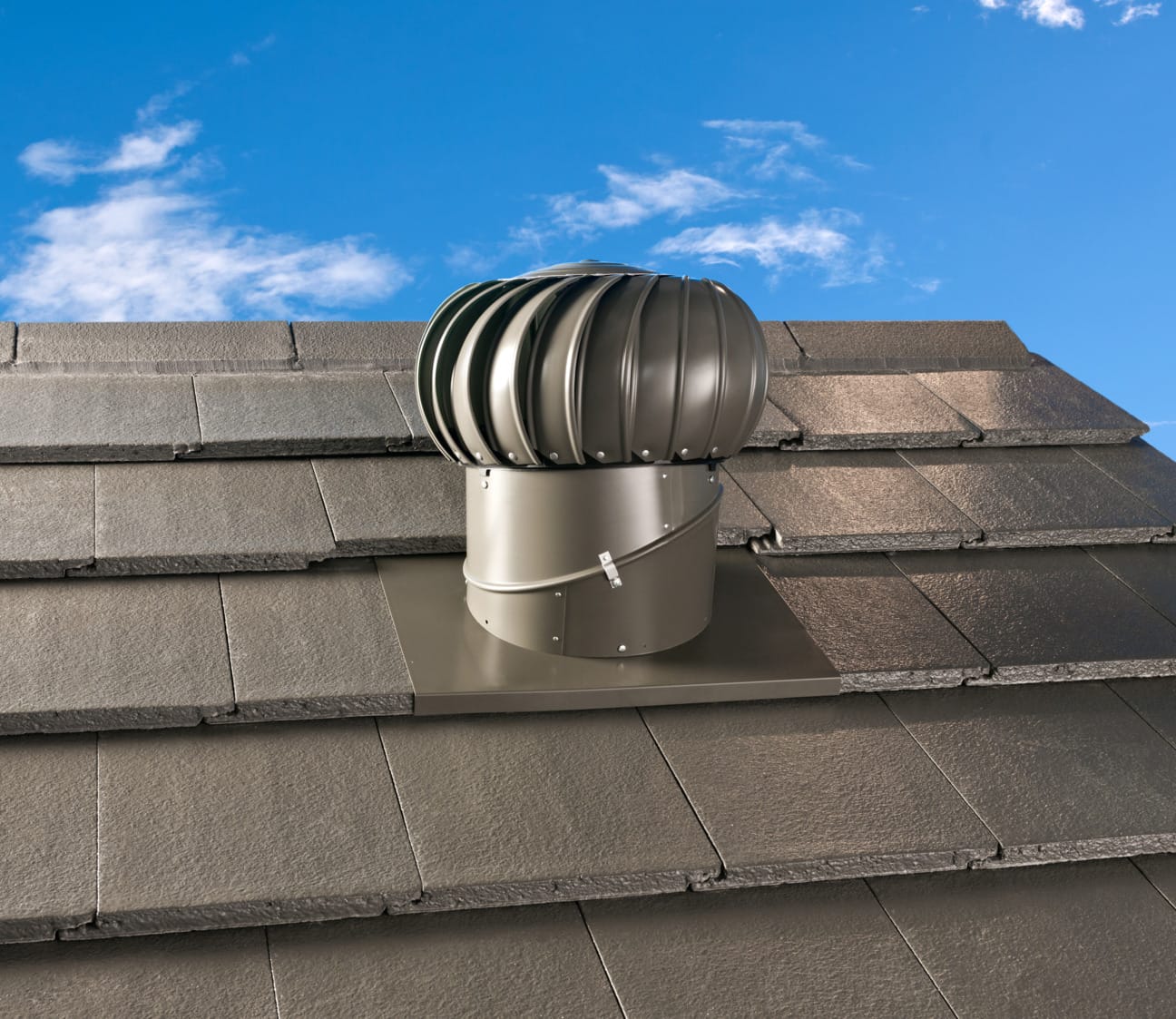
WindMaster™ Energy-efficient and cost-effective, the Bradford WindMaster is a natural wind-driven ventilator designed to reduce heat and dampness from your home's roof space without using electricity.
For long-lasting home comfort, the Windmaster is constructed from high-quality, durable aluminium and comes with a 15-year warranty.
The WindMaster™ comes in a range of colours.