Step 2: Preparing for installation
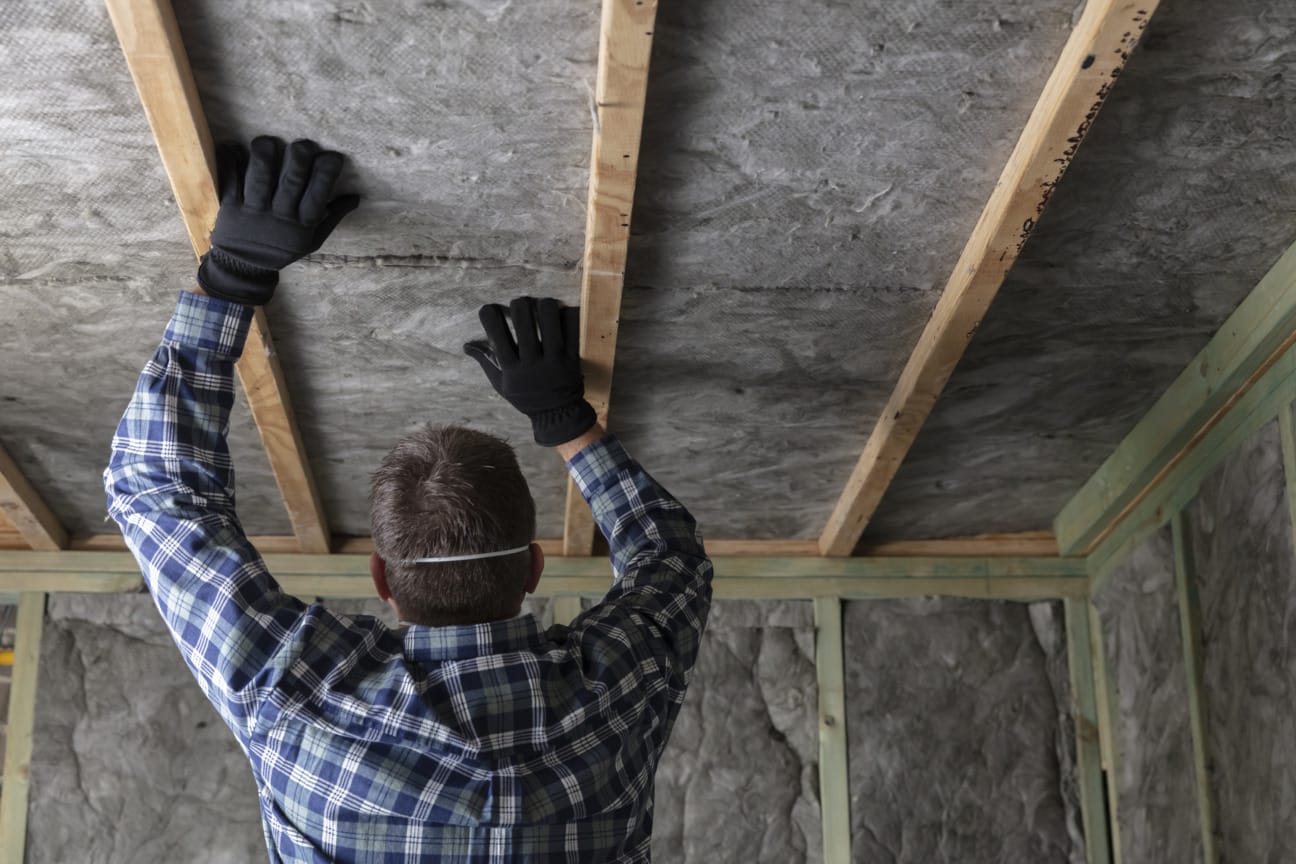
Being prepared isn't just a Boy Scouts motto - it's crucial for the success of any DIY job. Take these steps and you'll be good to go:
- Don't choose a hot day to install - you'll fry up there in the roof. If it's summer, do the job early in the morning before the heat has built up. And take some water up there with you, it can be a thirsty job.
- To be safe, turn off power at the fuse box before commencing installation, and place a warning tag on it so nobody mistakenly turns it back on while you're working.
Step 3: Installing the insulation
Once you get started, you'll be surprised how straightforward this job is:
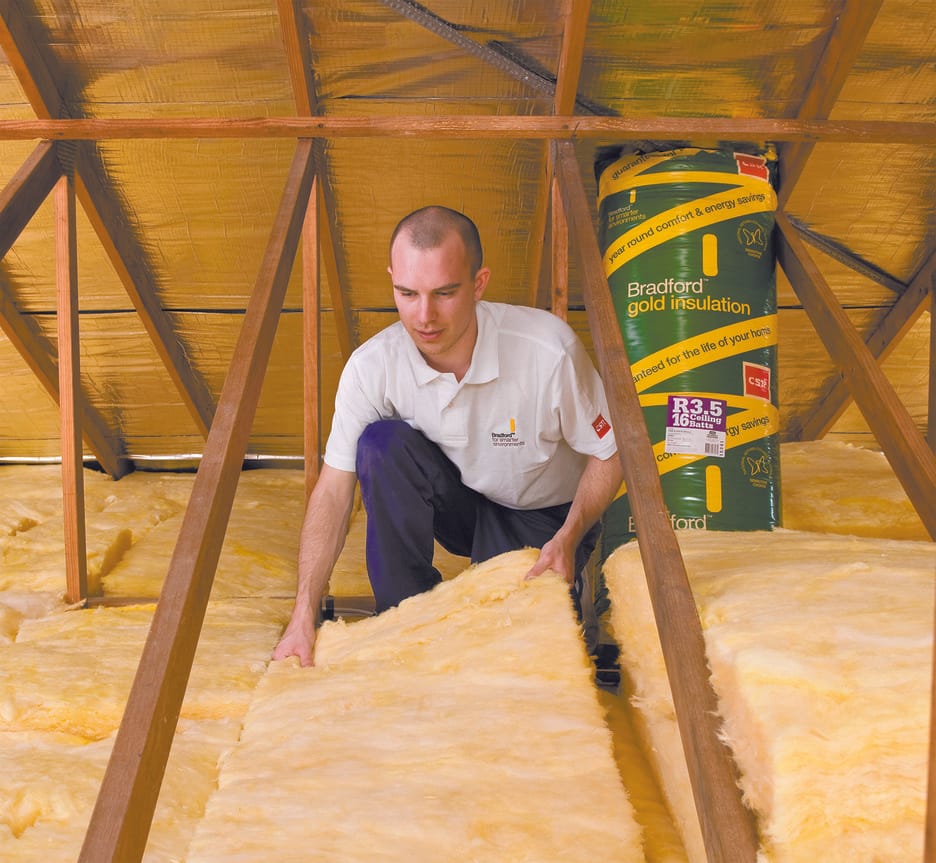
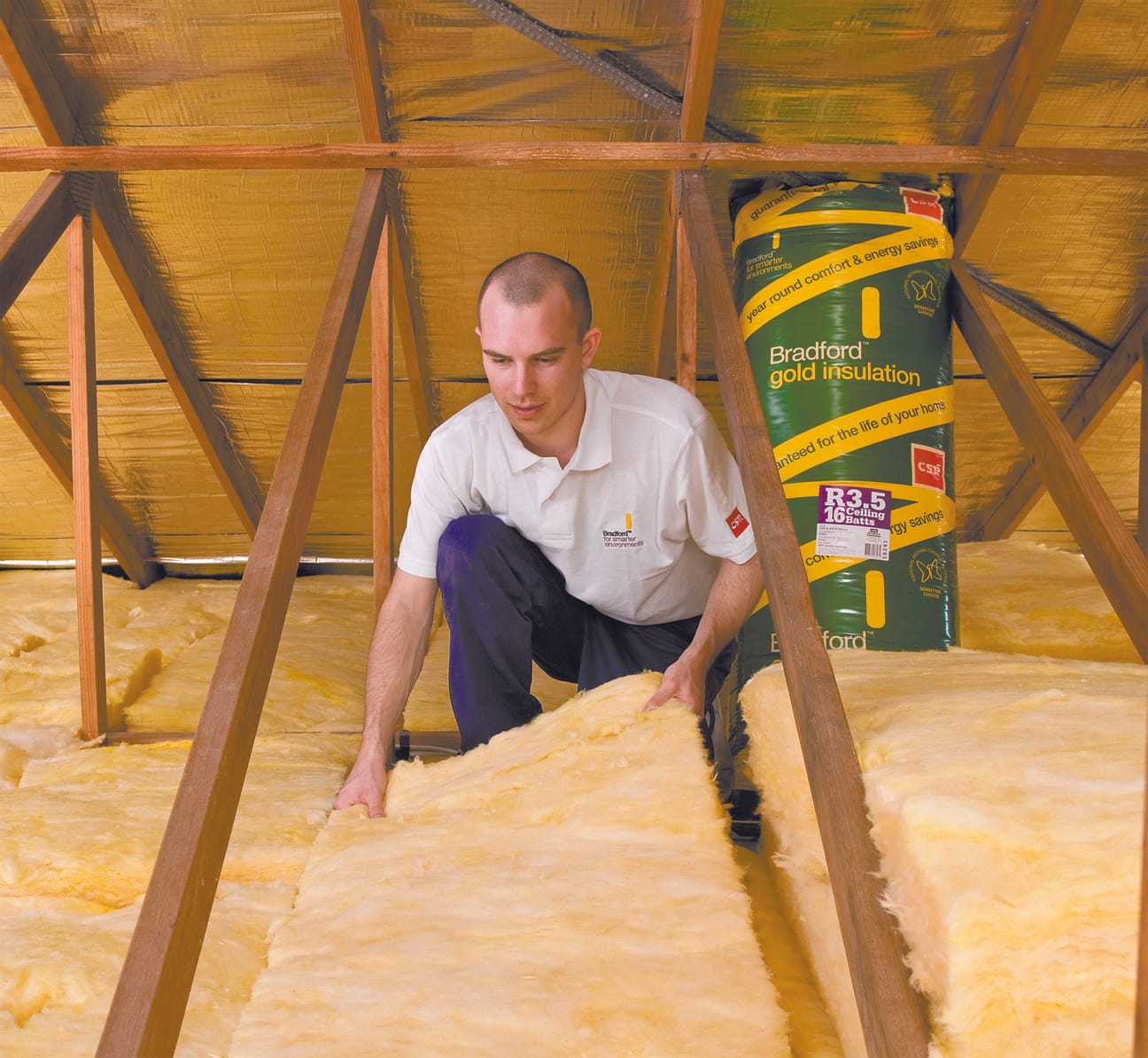
- Take your sealed packs into the roof and open them there. They're going to expand a lot and you don't want to be dragging individual segments up a ladder. Open the packs with your utility knife, drawing it down the side of the pack.
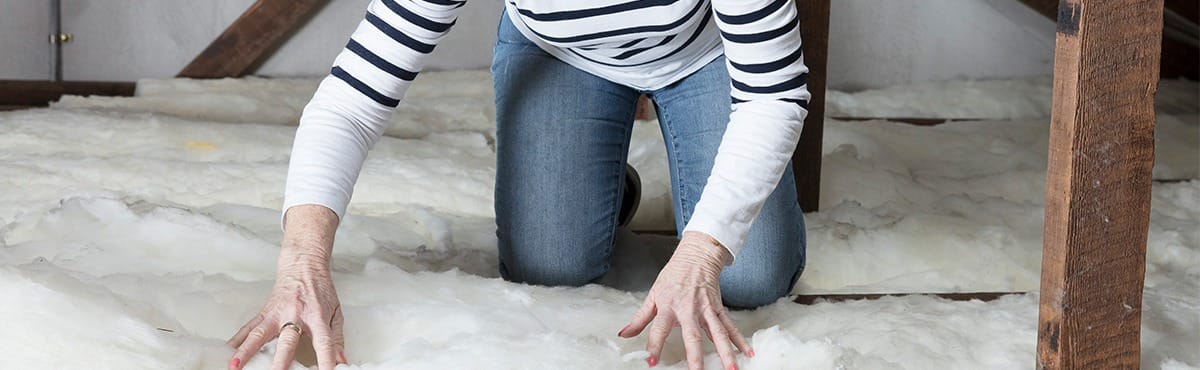
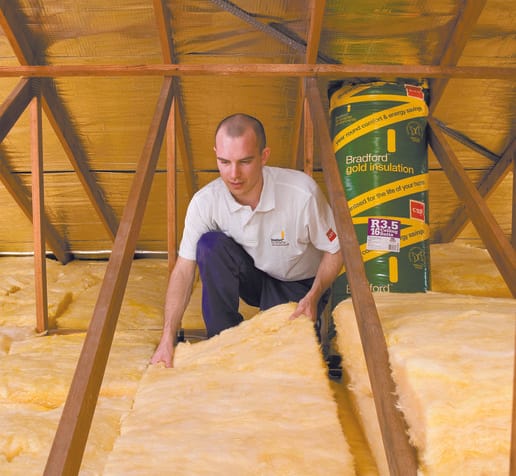
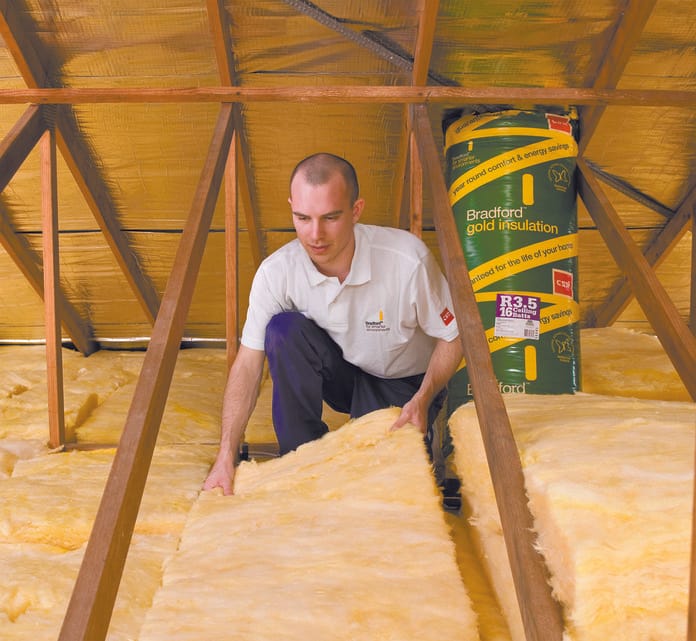
- Don't stand on the ceiling plasterboard - only on the joists or use your kneeling board. Position your kneeling board over at least two joists for maximum stability.
- Start from the outside of the roof and work your way back to the access point. Don't forget your perimeter segments if you're using them!
- Push your segments out towards the eaves so the first batt is 50mm across the top plate (edge of the outside wall) but remember the 20mm gap between roof and batt. Use your poker to push them into limited access areas.
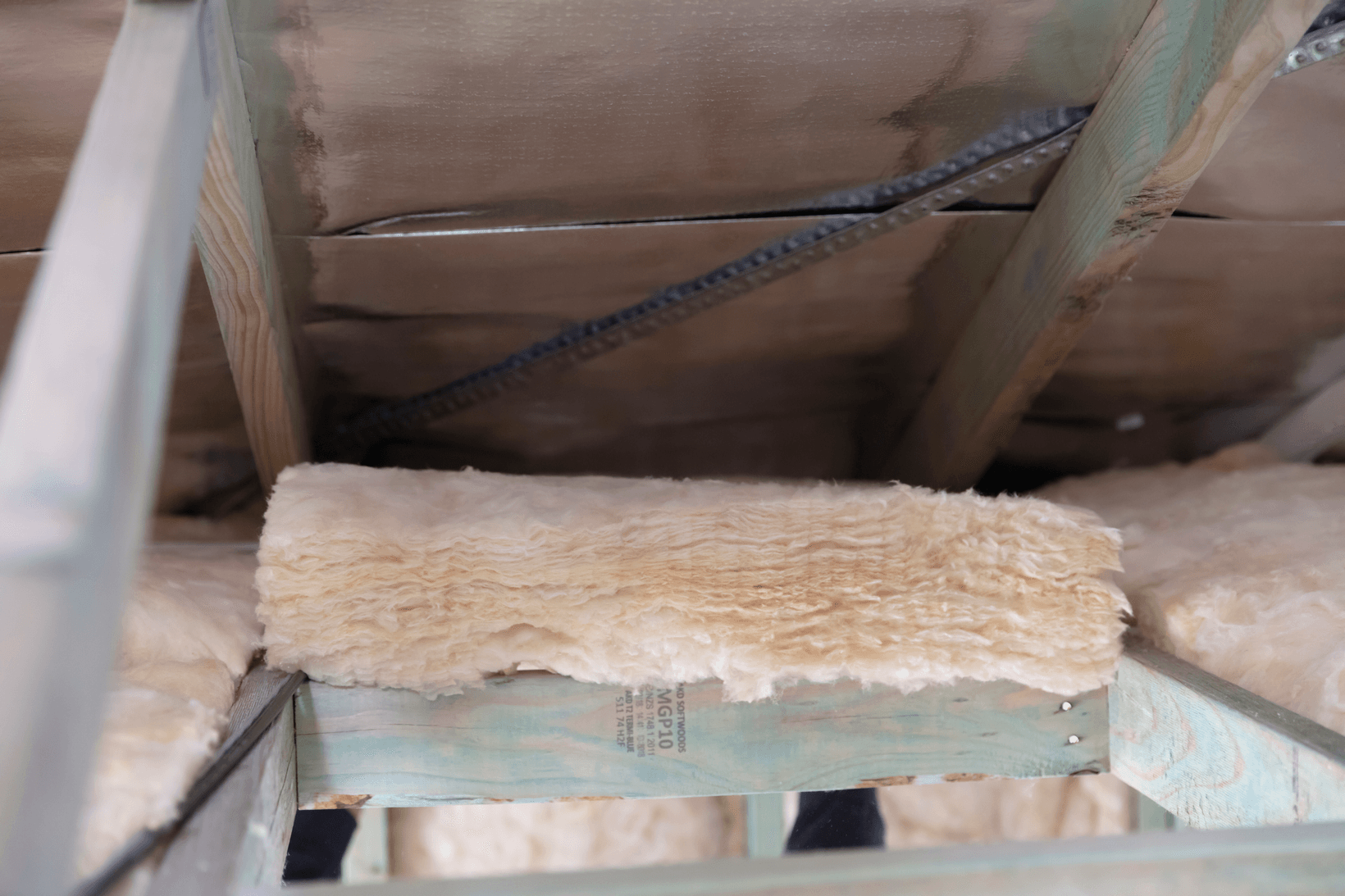
- Fit the segments snugly between the ceiling joists onto the ceiling plaster, and butt them up against each so they're firm but flat.
- Fill in any gaps with offcuts or trim a piece off another batt.
When you're done, have a shower to wash off any skin irritation, enjoy a cool drink and pat yourself on the back. Job well done!