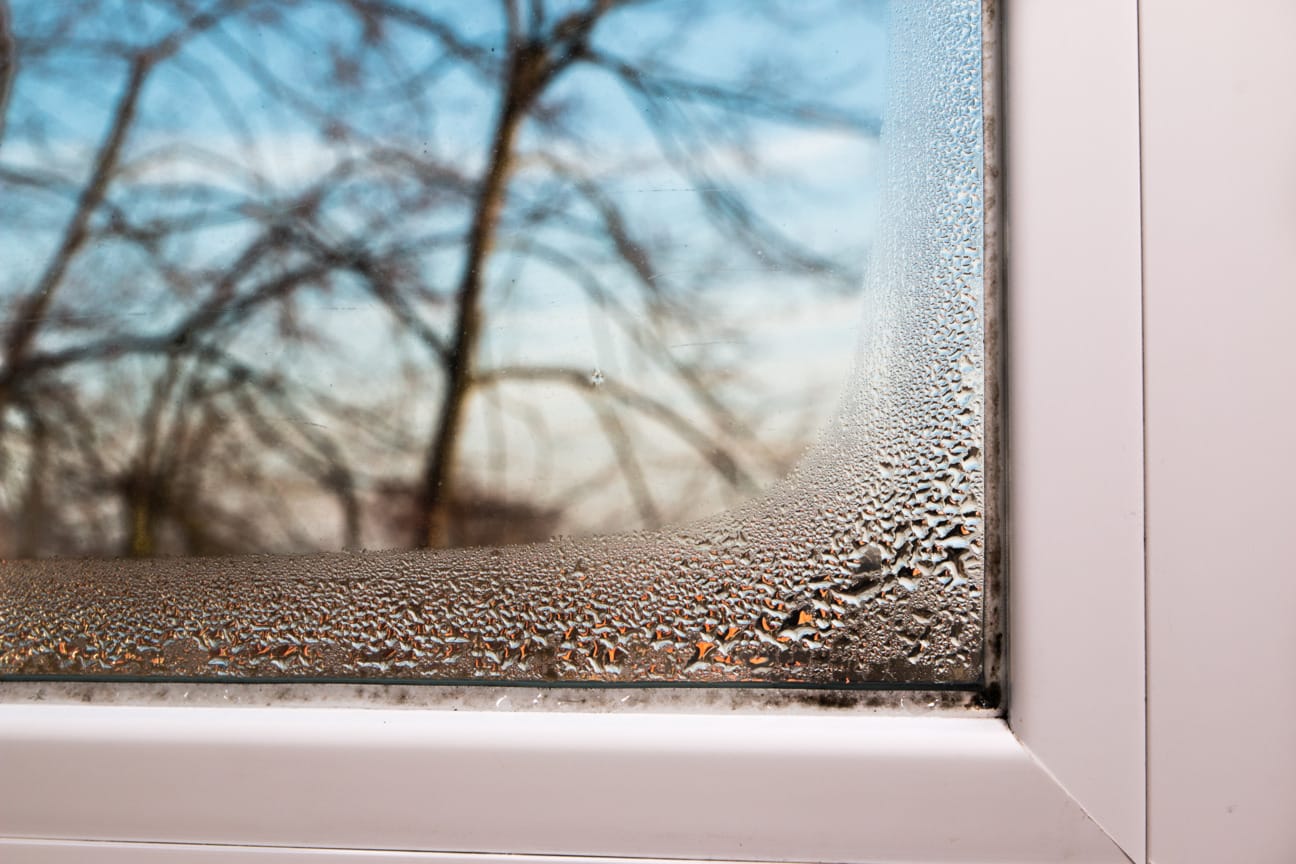
In our last article, we discussed the risks and impact of condensation in energy efficient building design.
In this article we now review product solutions in greater detail to avoid condensation and mould growth in all climates zones while improving energy efficiency.
All best practice weathertight systems should follow the 4 D's of building performance: deflection, drainage, drying and durability.
A significant part of achieving the 4D's is by using the right wrap as not all wall wraps fit the bill. Commonly reflective foil wraps are alright to use in warmer climates and they block external vapour entering the cooled home and can provide reflective air gap R values. However, in colder climate zones where internal heating is used a vapour permeable wall wrap is required for moisture control.
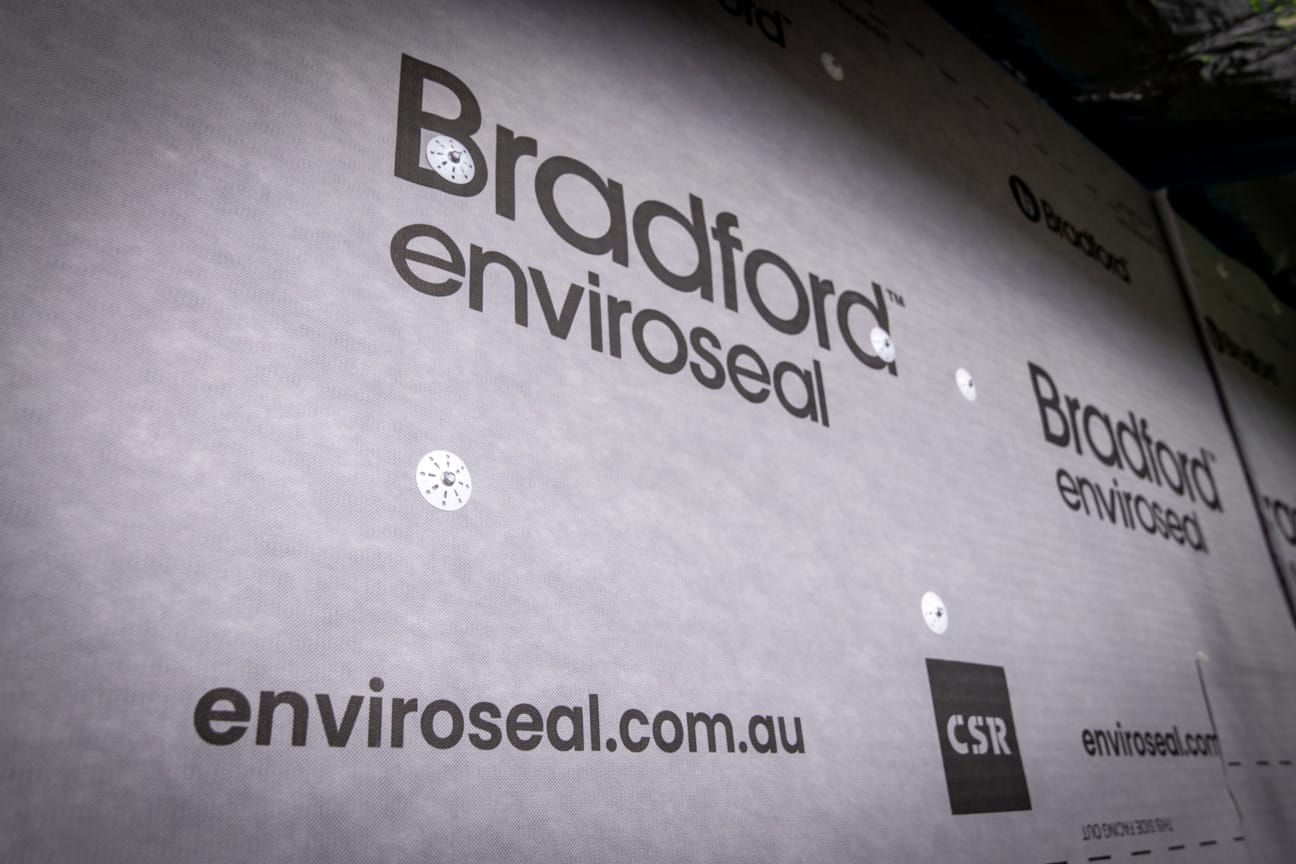
Warmer environments create higher volumes of moisture inside the building and when this vapour comes into contact with a colder surface, often inside the wall cavity, it condenses and absorbs into the timber frame and insulation segments. This ultimately leads to mould growth. By using Enviroseal Vapour Permeable wall wraps the moisture travels through the membrane and condenses on the cladding or brick and is unable to re-enter the building.
Only vapour can flow through Enviroseal, liquid water molecules are too large hence Enviroseal is classified as a 'water barrier' while still being 'vapour permeable'.
These airtight membranes are becoming more popular, because they reduce overall heat transfer of walls and energy use of the entire building. Data from the Building Science Corporation shows that compared to air barrier membranes, built walls transfer 31% more energy in winter and 26% more in summer” after accounting for wind. In other words, by reducing air flow through wall cavities insulation performance is improved by more than 20%.