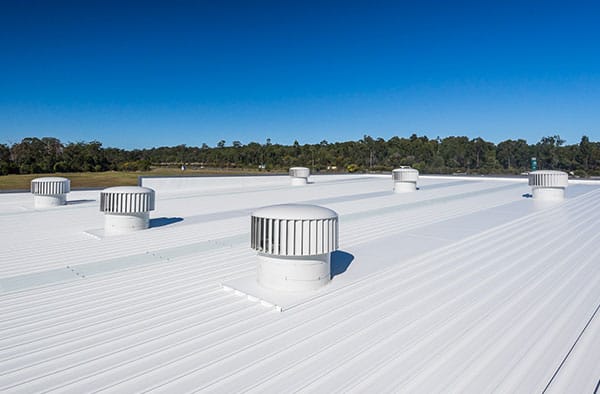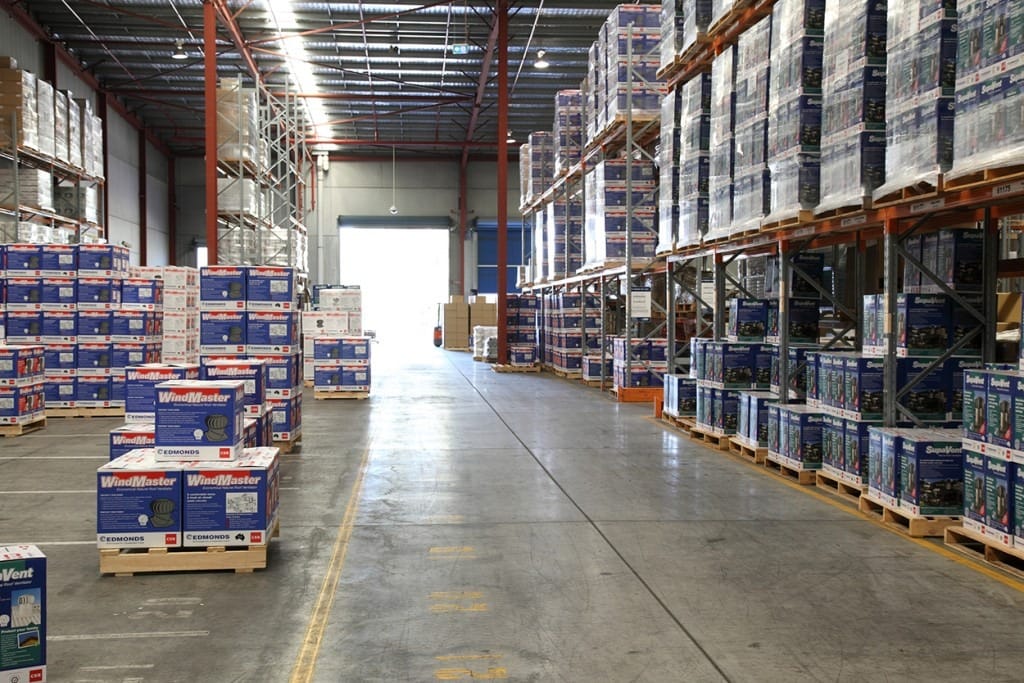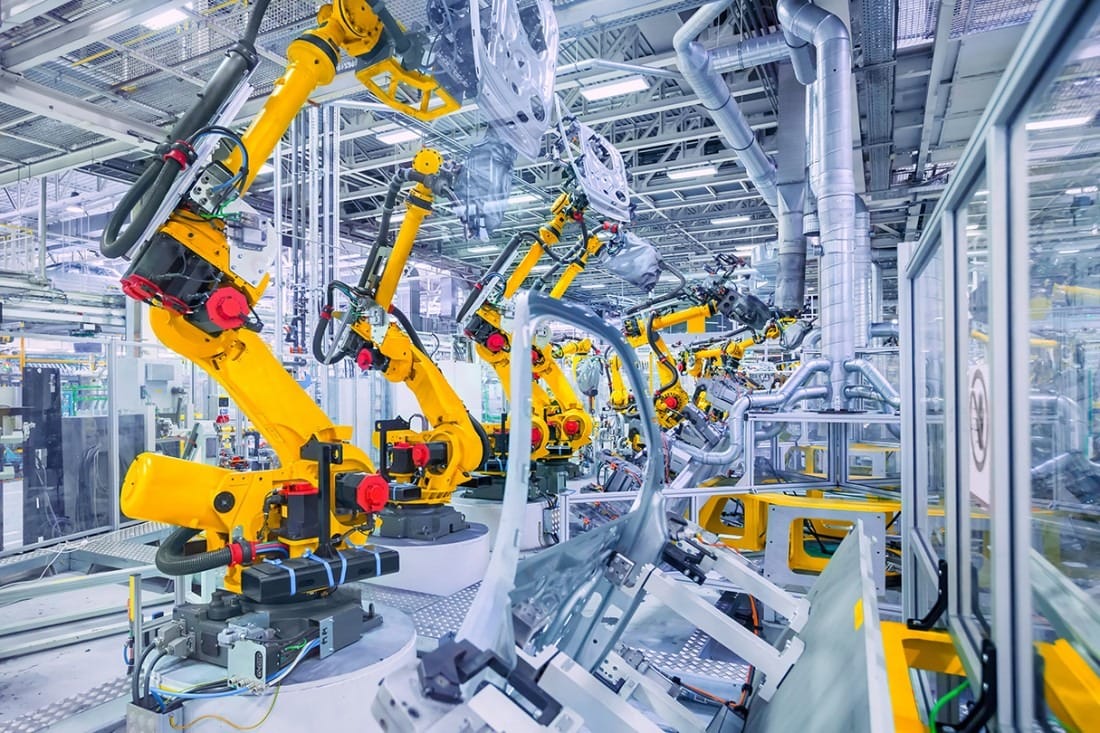
Indoor air quality (IAQ) is the condition of air inside a building affected by a variety of factors that contribute to the health and comfort of the employees. It is important to maintain a high quality of indoor air. If IAQ is poor, this can have negative effects on the health and wellbeing of employees and the company's assets.
It's commonly known that when IAQ is ineffectively managed this can adversely affect the comfort of employees which decreases their well-being and productivity. However, what is less commonly discussed is the health risk employees are exposed to from pollutants and volatile organic compounds (VOCs) emitted from equipment and machinery. Additionally, heat from inadequate IAQ can also reduce the functionality of machinery and vehicles in factories. For example, heat increases engine wear in forklifts and, in extreme heat, can cause them to stop operating.
The biggest contributors of IAQ include outdoor conditions, pollutants, air conditioning and even people. There are a variety of ways to improve IAQ and protect the welfare of employees and company assets in both a commercial and industrial setting. Generally, the best way to improve IAQ is to replace indoor air with fresh, outside air.
What are the causes
Due to the nature of industrial buildings, limited amounts of insulation are utilised in the building's design. This makes them susceptible to outdoor conditions such as heat and humidity which can create uncomfortable indoor conditions. Machinery and equipment like forklifts also contribute to poor IAQ as they emit pollutants and VOCs.
IAQ issues are also a common problem for commercial offices spaces – often impacted by the use of equipment such as printers and data-centres. These elements, combined with poor air flow, produce heat which raises the office temperature, reducing employee comfort. Additionally, cleaning agents used in to clean the office are also known to emit pollutants and VOCs, decreasing IAQ.
Although air conditioning systems are commonly used to provide comfort, an improperly maintained system may decrease IAQ. Pollutants and bacteria from communicable diseases may recirculate back into the building and increase the chance of making the people in the building sick.
Additional to building design, machinery, equipment and air conditioning, employees themselves play a role in contributing to poor indoor conditions. Metabolic waste, such as respiration and perspiration, raises temperature and humidity levels in the office. Fragrances and cigarette smoke can also reduce occupant comfort and in some cause can cause allergic reactions.