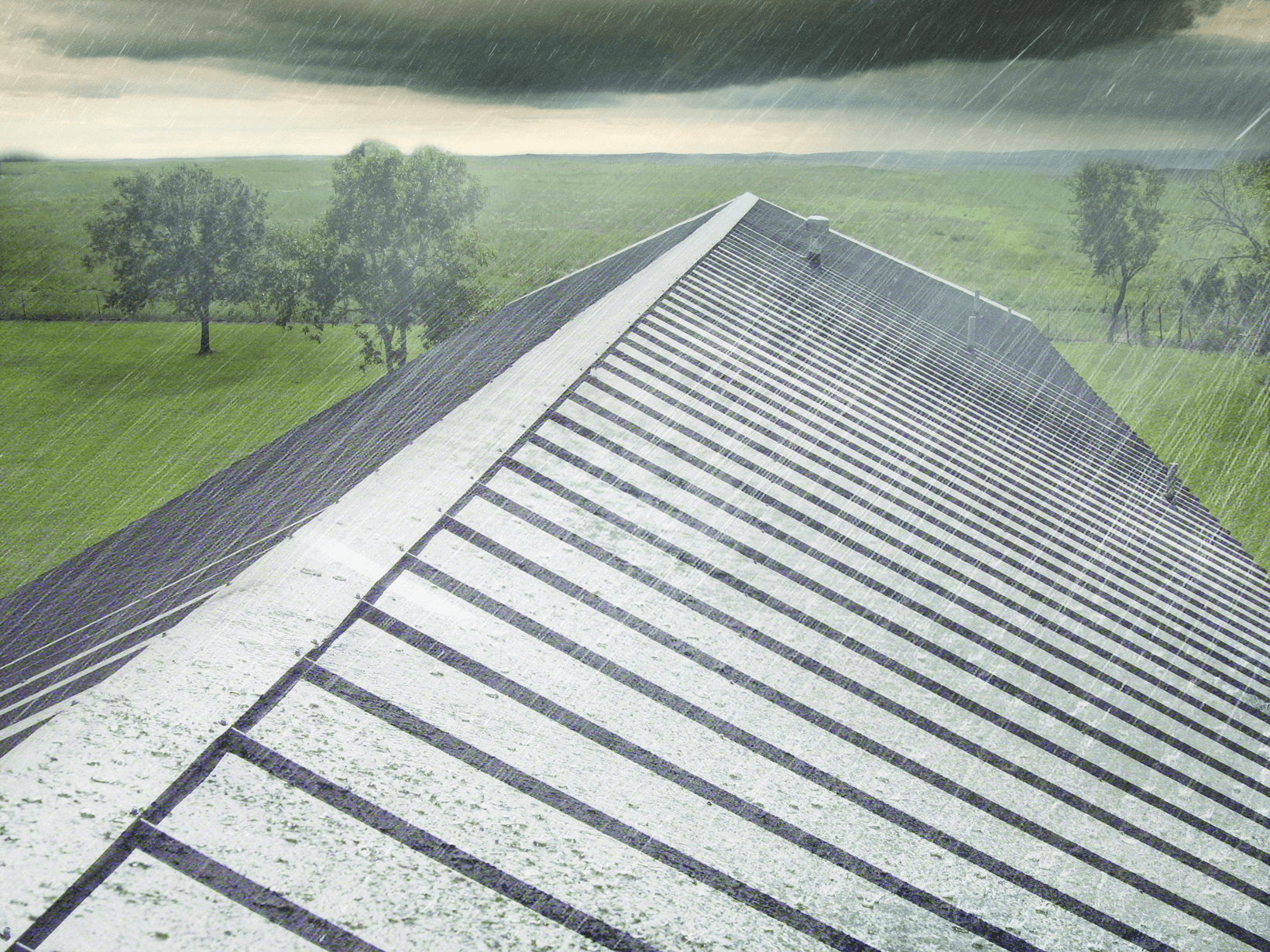
Has your home been affected by water due to a storm or flood Understand what you need to do with wet insulation segments in walls, roofs, ceiling and floors.
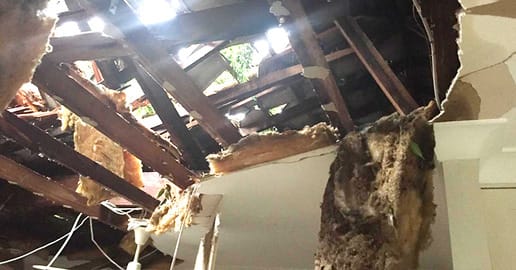
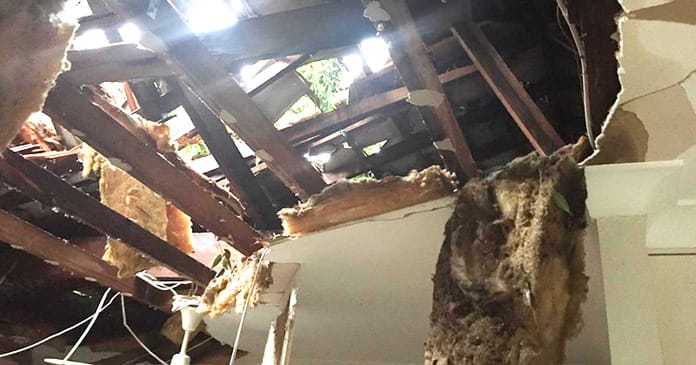
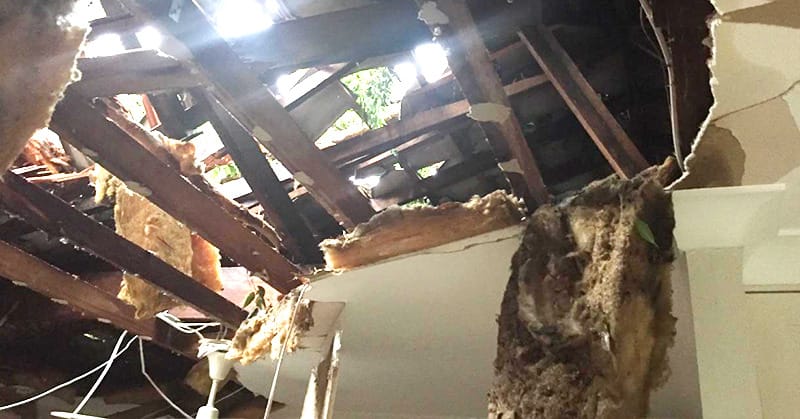
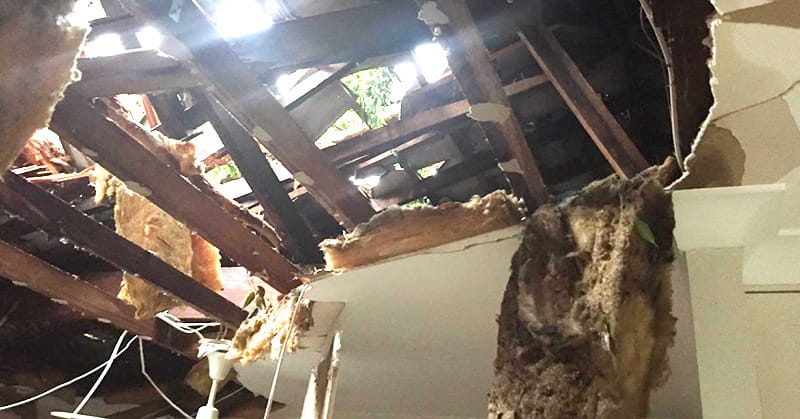
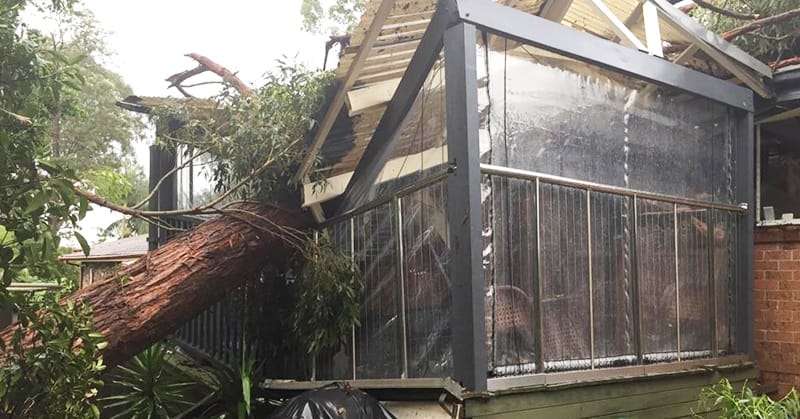
There are few things more devastating than a weather event which invades your home. And it can be overwhelming to deal with where do you start when a tree has come crashing through your roof after a storm, as recently happened to one of our own here at CSR Bradford?
At CSR Bradford, we are here to help. Here are some practical tips on what you need to consider when your insulation segments have gotten wet, whether they're in your roof, ceiling, walls or under your floor. If you need more information or want to get someone out to help, please call us on 0800 277 123
Loading component...
What can happen if your insulation gets wet
Glasswool insulation, like Bradford's, utilises the air pockets between the fibres of spun glass to trap heat. If the insulation gets very wet, it can be compressed by the weight of the water and it may not recover to its original thickness, meaning it will not perform as well to trap the heat flow between inside and outside.
Water trapped in the insulation segments can also cause mould growth, or possibly leak out onto your plasterboard, causing unsightly staining and damage.
Finally, insulation which is installed behind metal cladding can cause rust and corrosion.
With this in mind, it's always a good idea after your house is impacted by a weather event to get the insulation assessed. Bradford has a network of installers who are available to come to you and offer advice. Contact us for help.