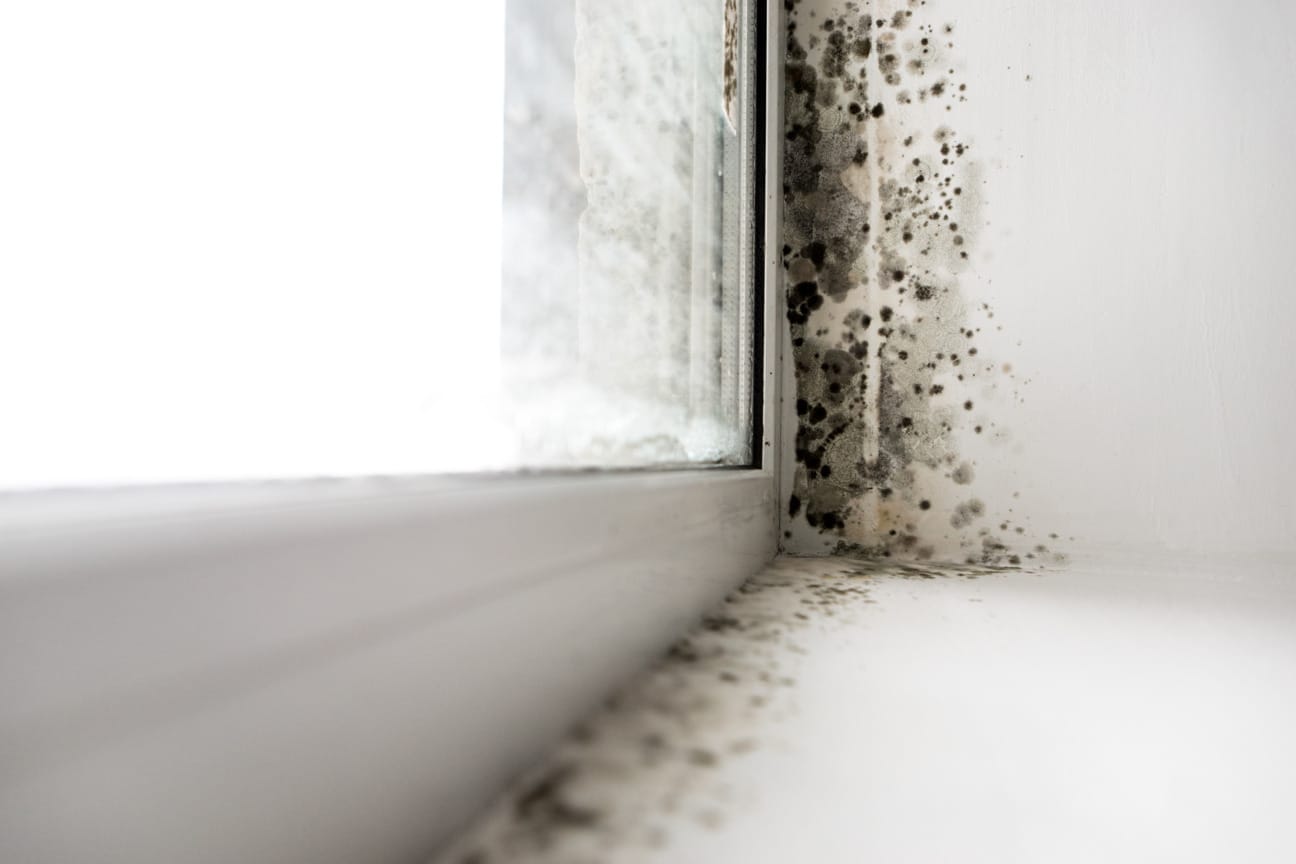
Mould in the home can have profound effects on our health. Mould accumulates in damp and poorly ventilated buildings. Inhaling mould spores can inflame the airways, causing nasal congestion, wheezing, chest tightness, coughing and throat irritation. Chronic health problems such as asthma are linked to indoor dampness. If you're susceptible to asthma and allergies, you are more likely to be affected by mould in your home.
The World Health Organisation estimates that in cold climates, 15% of dwellings have signs of dampness and 5% have signs of mould problems. In warm climates, the estimates are 20% for dampness and 25% for mould.
What does condensation and mould mean for Kiwi homes
Long perceived to be immune from condensation and dampness problems, New Zealand is seeing an increase in the occurrence and severity of condensation problems due to changes in building design and increases in energy efficiency targets.
The possible consequences of condensation and the subsequent high humidity environment include;
- Health risks: Unseen mould growth behind wall linings and external cladding can be a health risk to the occupants, particularly the young or elderly, or those with asthma.
- Visual deterioration: Deflection or staining of plasterboard linings as a result of moisture trapped behind the linings can cause ugly stains and swelling.
- Structural decay: Moisture trapped within the structure can result in long term corrosion of metal structures, timber rot, loosening of nails as timber swells, and cladding rot or swelling which can result in costly rectification work.
- Energy efficiency: A reduction in the building's energy efficiency can occur due to moisture in the insulation, which can result in loss of thermal performance.

Loading component...
How can Bradford and Bradford Ventilation help
No safe levels of indoor dampness and or mould have been defined. So health-based standards or guidelines do not exist.
Nonetheless, there are several practicable measures you can take to prevent or minimise indoor mould. These include adequately heating and, in colder climates, insulating your home to reduce air humidity levels and condensation.
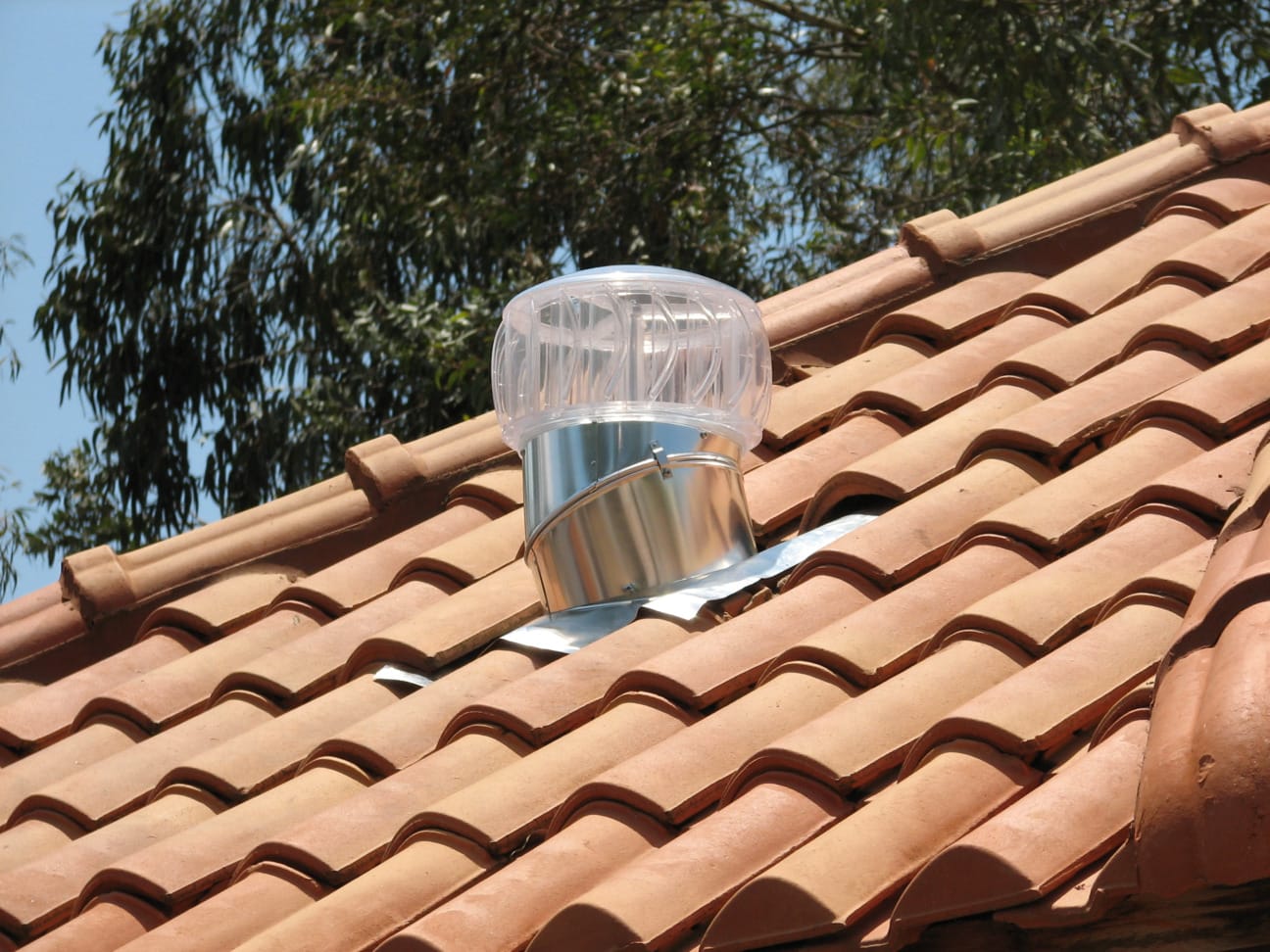
Install and use appropriate ventilation, particularly in wet areas or areas where water vapour may be emitted, such as bathrooms, laundries and kitchen areas.
Wall wrap and roof sarking products can provide a number of benefits to make your home more comfortable to live in and reduce the risk of condensation formation which can lead to mould.